
1998 Porsche 993 Turbo: The Last Air-Cooled Legend
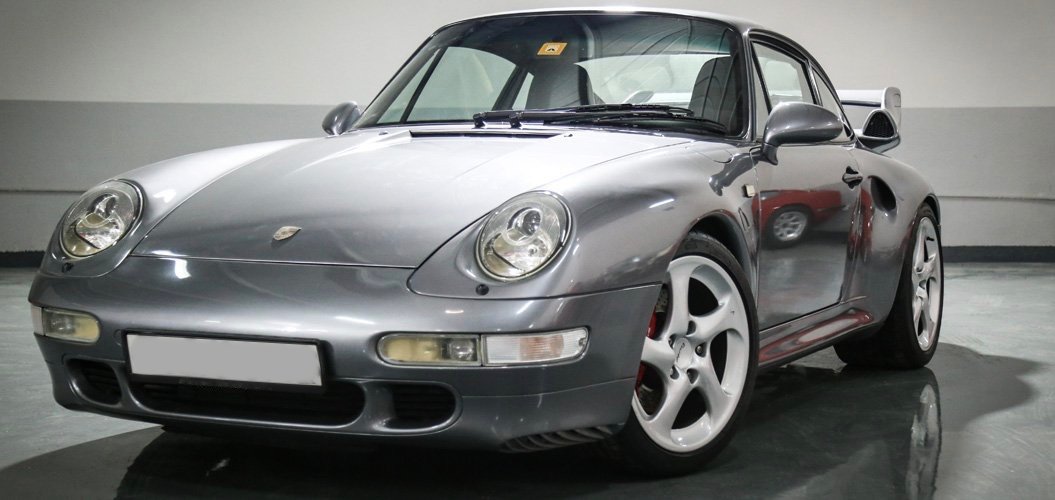
Few Porsche models have achieved the legendary status of the Porsche 993 Turbo. Representing the final generation of the classic air-cooled 911 era, the 993 combined timeless styling with remarkable performance and advanced engineering.
The 993 generation replaced the Porsche 964 and became one of the most desirable versions of the Porsche 911 ever produced. Its blend of elegant proportions, muscular performance and traditional Porsche engineering has made it a highly sought-after modern classic.
A Landmark Generation of the Porsche 911
The Porsche 993 was the internal designation for the fourth-generation Porsche 911. Production began in the early 1990s, with the 993 replacing the 964 and continuing the evolution of Porsche's iconic rear-engined sports car.
What makes the 993 particularly special is its place at the end of an important chapter in Porsche history. It was the final 911 generation to use the company's traditional air-cooled engine technology before Porsche moved to water-cooled engines with the following generation.
For many enthusiasts, the 993 represents the perfect meeting point between classic Porsche character and modern performance. Its design remained unmistakably 911 while its engineering delivered levels of performance that could compete with much newer sports cars.
The Porsche 993 Turbo Arrives
The 993 Turbo Coupe was introduced in 1995, bringing a major technological step forward for the 911 Turbo.
At its heart was a 3.6-liter twin-turbocharged engine producing approximately 408 metric horsepower (300 kW). The combination of two turbochargers and air-to-air intercooling gave the 993 Turbo enormous performance while retaining the distinctive character of the air-cooled Porsche flat-six.
The Turbo also featured sophisticated engine management technology that helped optimize performance, efficiency and emissions. Twin catalytic converters and oxygen sensors further demonstrated how advanced the 993 Turbo was for its era.
All-Wheel Drive: A Porsche Turbo First
One of the defining features of the 993 Turbo was its permanent all-wheel-drive system.
This gave the car exceptional traction and stability, particularly when the twin-turbo engine delivered its substantial power. The system helped transform the 993 Turbo into a sports car that could combine dramatic acceleration with confidence-inspiring handling.
Its sophisticated drivetrain also reinforced comparisons with the legendary Porsche 959, another technological showcase from Stuttgart.
Wide, Muscular Turbo Styling
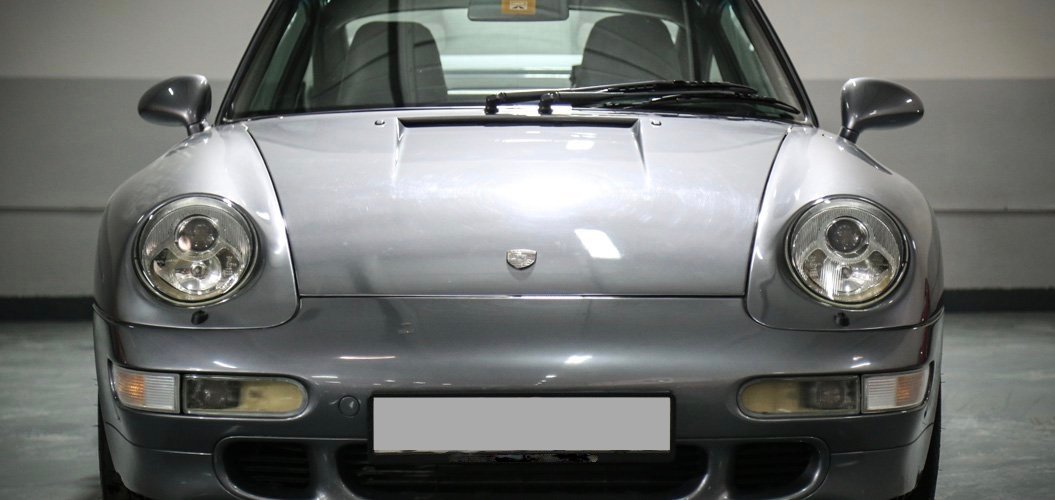
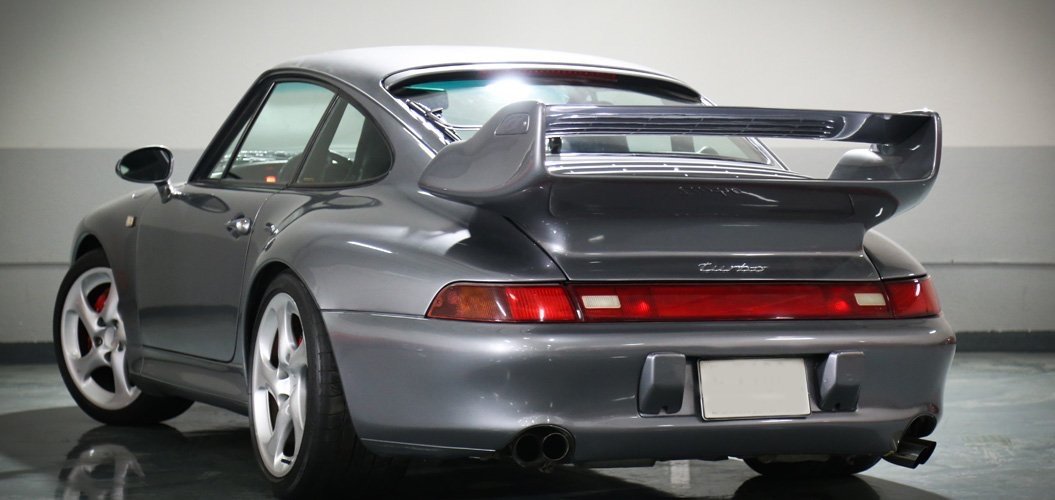
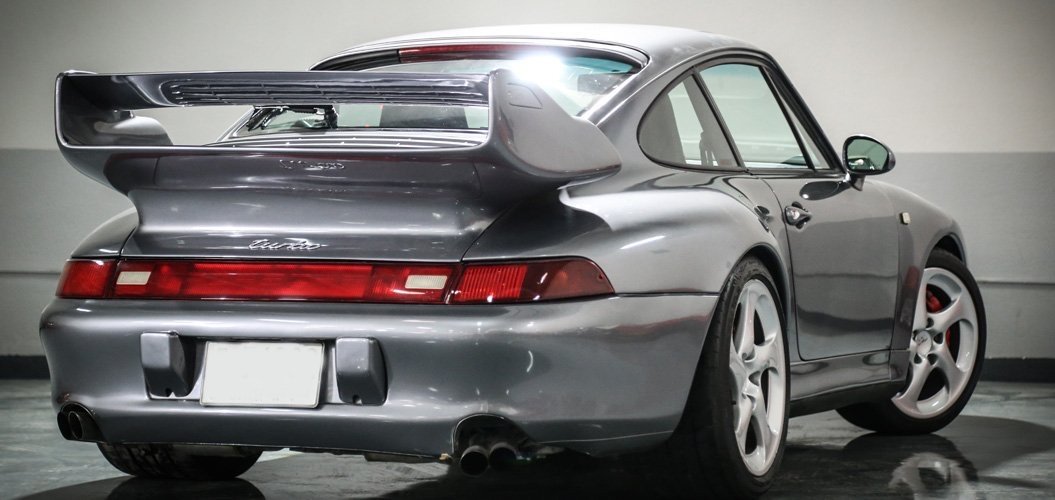
The 993 Turbo was immediately distinguishable from a standard Carrera thanks to its wider bodywork and aggressive stance.
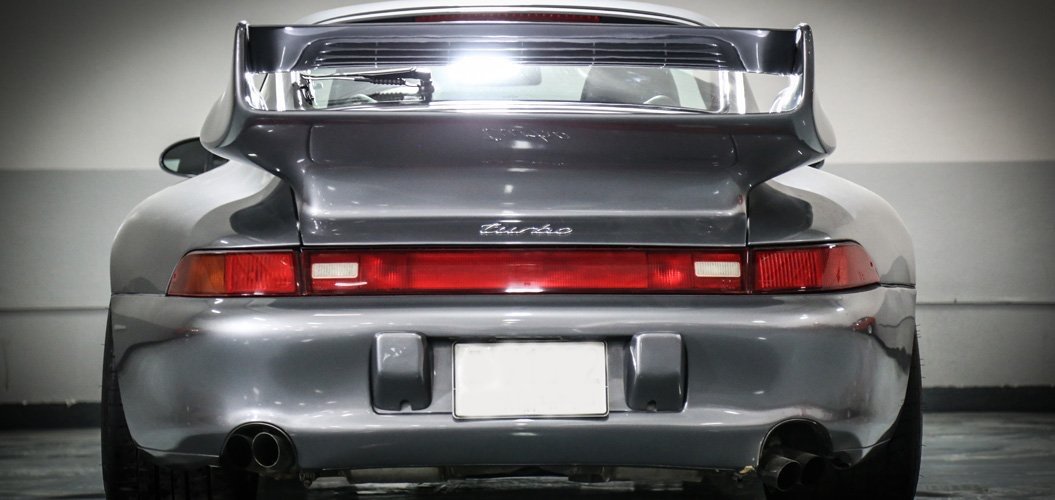
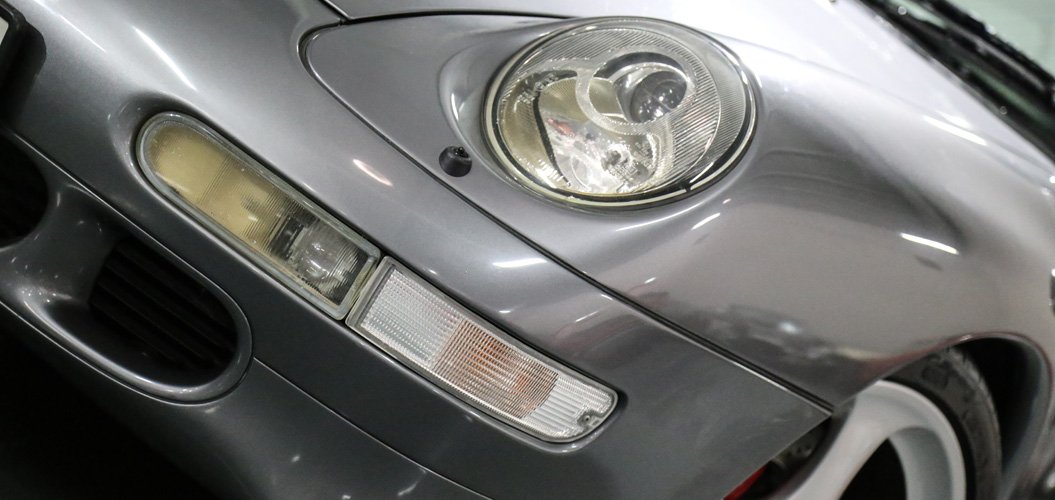
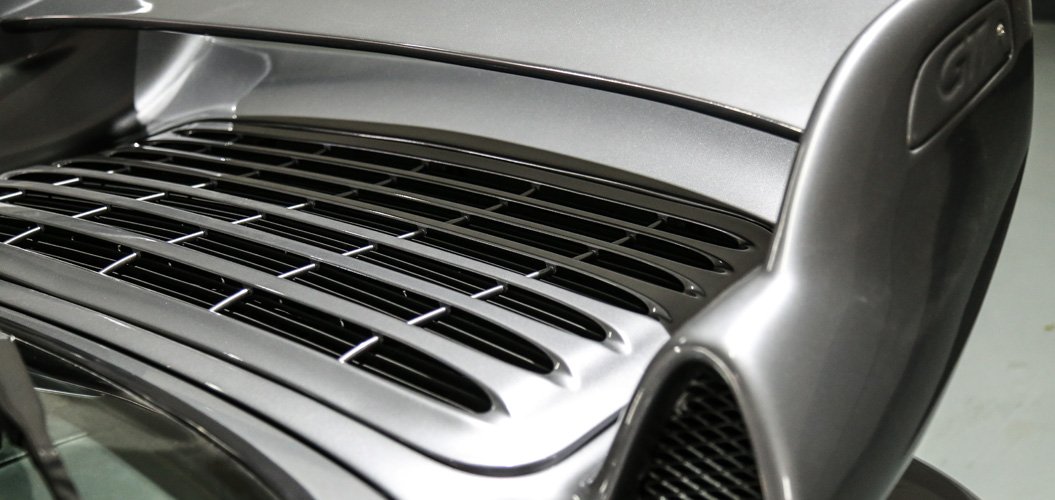
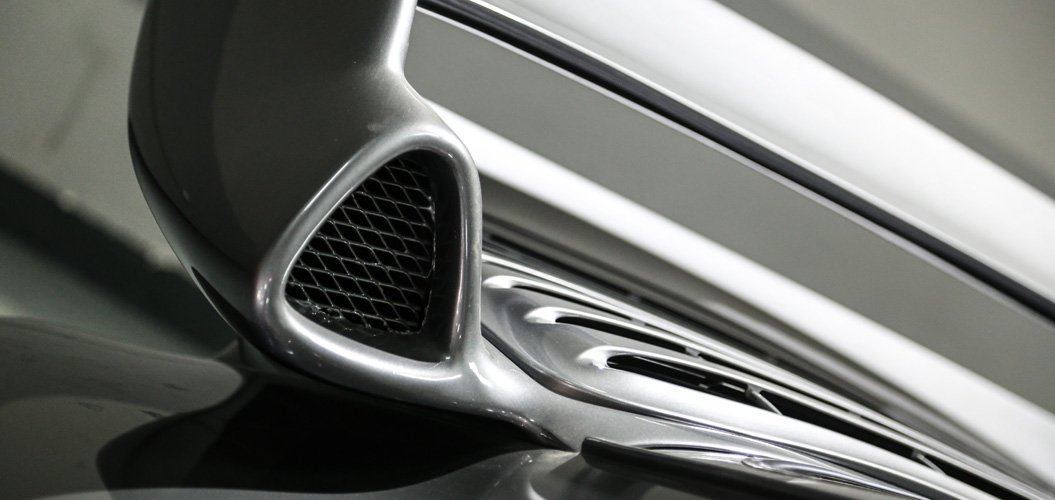
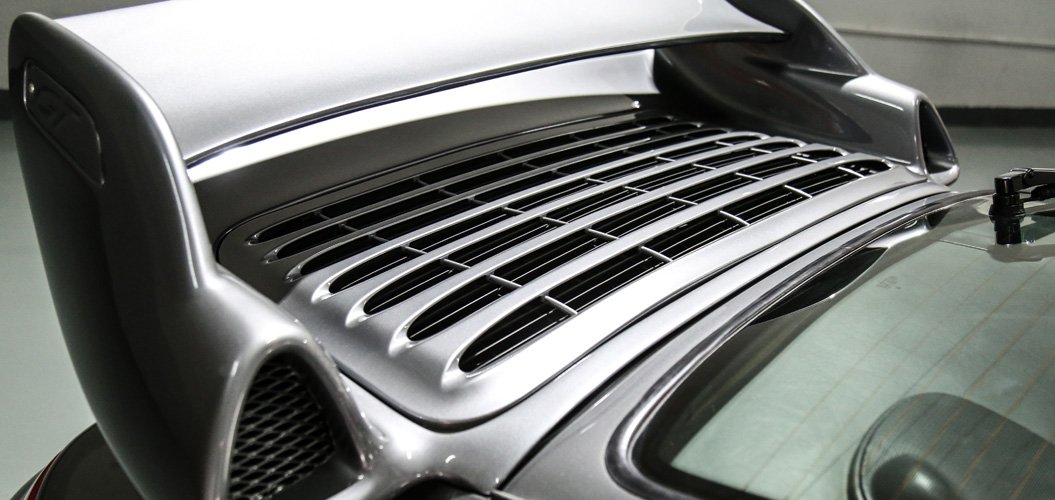
The rear bodywork was significantly wider around the wheels, creating the unmistakable Turbo silhouette. Redesigned front and rear bumpers complemented the wider body, while the large rear spoiler was integrated into the car's cooling and aerodynamic requirements.
The result was a Porsche that looked substantially more aggressive without losing the elegant proportions that made the 911 design so recognizable.
18-Inch Lightweight Wheels
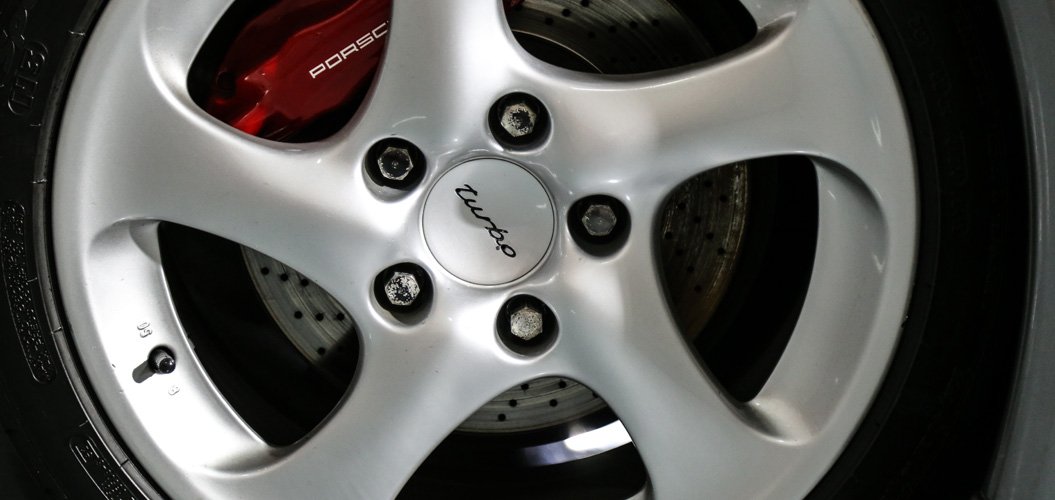
Another important visual and engineering feature was the use of large 18-inch lightweight wheels.
Their construction helped reduce weight while providing the space and capability required for the Turbo's high-performance braking and tire setup. Combined with the wide body, the wheels gave the 993 Turbo an unmistakably planted appearance.
Why the 993 Turbo Is So Special
The appeal of the 993 Turbo goes far beyond its numbers. It represents the end of an era when Porsche's legendary 911 formula still relied on air cooling, while simultaneously introducing advanced electronics, twin turbocharging and permanent all-wheel drive.
That combination makes the 993 Turbo especially important to collectors. It offers the visual character of a classic Porsche while delivering performance and technology that remain impressive decades after its introduction.
Among Porsche enthusiasts, the 993 generation is frequently regarded as one of the most desirable 911 generations ever built. Its combination of clean styling, engineering sophistication and historical significance has helped it become a true collector's car.
1998 Porsche 993 Turbo — Specifications
| Model | Porsche 993 Turbo |
|---|---|
| Model Year | 1998 |
| Generation | 993 |
| Engine | 3.6-liter Twin-Turbo Flat-Six |
| Power | 408 metric hp / 300 kW |
| Turbochargers | Two |
| Cooling | Air-cooled |
| Drive System | Permanent All-Wheel Drive |
| Body Style | Two-door Coupe |
| Wheels | 18-inch Lightweight Wheels |
| Generation Replaced | Porsche 964 |
Photo Gallery





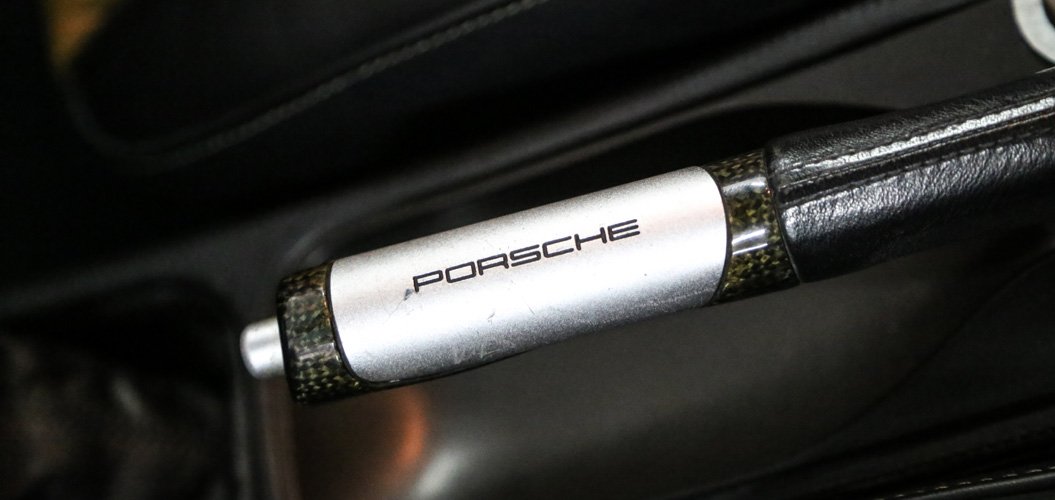
VibCar Verdict
The Porsche 993 Turbo is much more than another high-performance 911. It is a milestone in Porsche history and one of the most fascinating combinations of classic design and advanced engineering.
With its air-cooled 3.6-liter twin-turbo engine, permanent all-wheel drive, wide Turbo body and unmistakable 993 styling, this Porsche remains one of the most desirable modern classics for enthusiasts and collectors.
For anyone searching for the Porsche that best represents the transition between the traditional and modern eras of the 911, the 993 Turbo stands among the strongest candidates.
Frequently Asked Questions
What engine does the Porsche 993 Turbo use?
The 993 Turbo uses a 3.6-liter twin-turbocharged air-cooled flat-six engine.
How much power does the 993 Turbo produce?
The standard 993 Turbo was rated at approximately 408 metric horsepower, equivalent to 300 kW.
Does the Porsche 993 Turbo have all-wheel drive?
Yes. The 993 Turbo was equipped with a permanent all-wheel-drive system.
Why is the Porsche 993 so collectible?
The 993 is particularly desirable because it represents the final air-cooled generation of the Porsche 911 and combines traditional Porsche character with advanced performance technology.
What replaced the Porsche 993?
The 993 was succeeded by the Porsche 996 generation, which introduced water-cooled engines to the 911 family.
%20(1).png)


.png)

0 Comments