
America vs. BYD: Washington Moves to Block Chinese Cars Before They Take Over
The battle over Chinese cars in the United States is entering a new and potentially decisive phase. Major automakers are urging Congress to permanently restrict Chinese connected vehicles, software and hardware as BYD and other Chinese manufacturers rapidly expand across global markets.

🇺🇸 Automakers Push Congress to Act
The pressure on Washington is coming directly from the automotive industry. The Alliance for Automotive Innovation, which represents the vast majority of automakers selling vehicles in the United States, has urged congressional leaders to take action on Chinese vehicles before the current congressional session ends.
The industry wants restrictions covering Chinese vehicles as well as potentially high-risk connected software and hardware to become permanent U.S. law.
The argument is based partly on national security concerns, but there is another major issue behind the campaign: competition.
Why Is BYD Causing So Much Concern?
BYD has become one of the most recognizable symbols of China's rapid rise in electric vehicles. The company has expanded far beyond its domestic market, building a growing international presence with electric and plug-in hybrid vehicles.
Chinese automakers are increasingly competing on three fronts at once: price, technology and manufacturing scale.
For traditional automakers, this combination represents a serious challenge. Chinese manufacturers can use extensive domestic supply chains and large-scale battery production to develop competitive electric vehicles at prices that can put pressure on established brands.
Chinese Cars Are Expanding Around the World
While the U.S. market remains heavily protected, Chinese automakers have been expanding in Europe, Asia, Australia and Latin America.
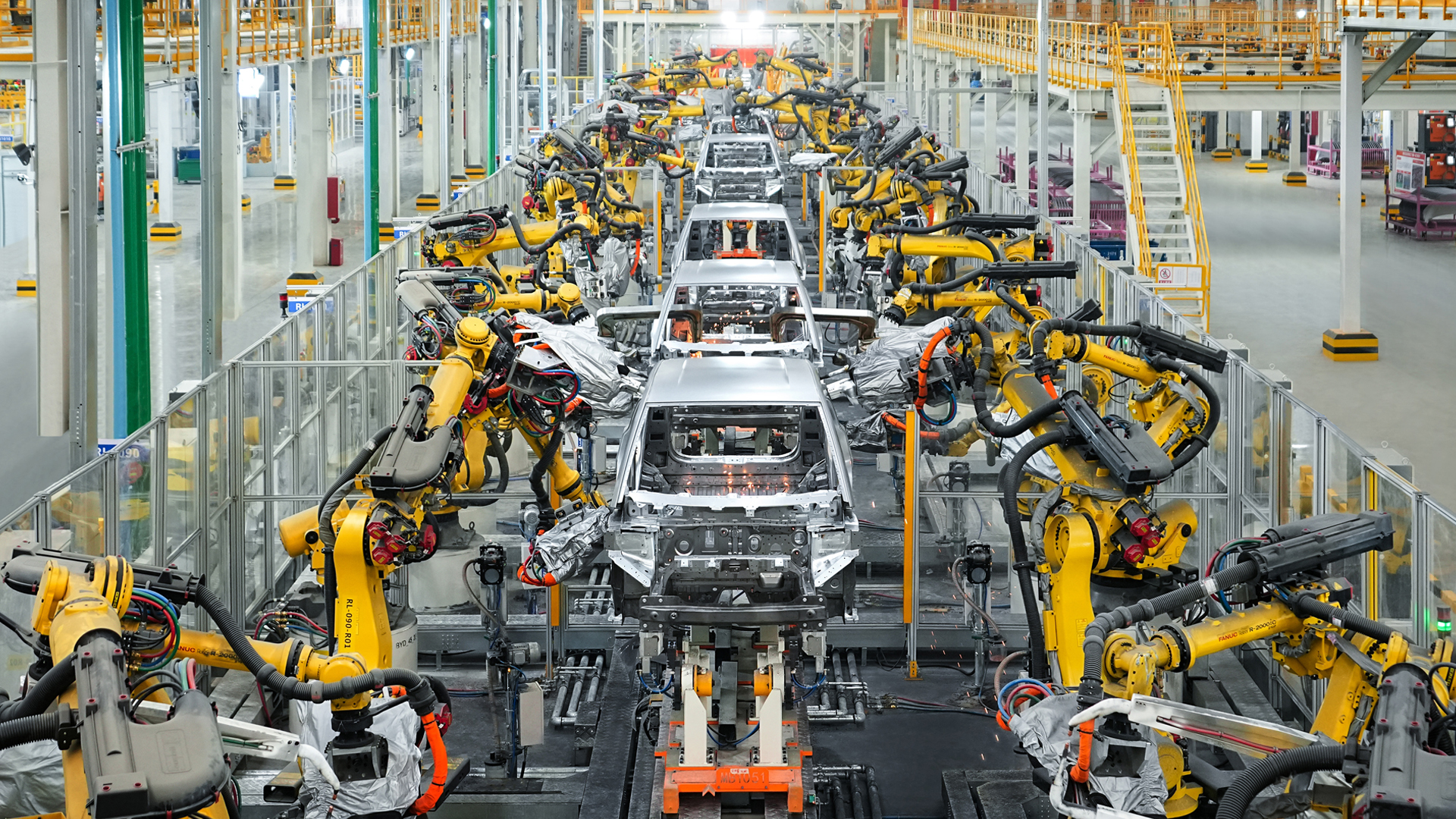
The international expansion is particularly important because it demonstrates that Chinese automakers are no longer competing only inside China. They are increasingly targeting established automotive markets around the world.
Why Is the U.S. Market Different?
Chinese electric vehicles already face significant barriers to entering the American market, including tariffs and strict regulatory requirements.
The United States has also introduced rules targeting connected vehicles and certain technologies linked to countries considered national-security risks.
Automotive industry groups now want these restrictions to become more permanent through legislation passed by Congress.
National Security Is at the Center of the Debate
Modern cars are no longer simply mechanical machines. They are connected computers equipped with cameras, sensors, navigation systems, wireless communications and sophisticated software.
That connectivity has created a new national-security debate. U.S. officials and industry representatives are concerned about the potential collection, transmission and use of vehicle data.
Supporters of tougher restrictions argue that connected vehicles produced or controlled by Chinese companies could create risks if sensitive data were collected or accessed improperly.
But There Is Another Battle: Price
The economic argument is equally important.
Chinese automakers have become highly competitive in electric vehicles, while American manufacturers are still dealing with the enormous cost of transitioning from gasoline-powered vehicles to EVs.
If Chinese brands were allowed to sell low-cost EVs freely in America, they could put significant pressure on domestic manufacturers.
| Chinese EV Advantage | Potential Impact on U.S. Market |
|---|---|
| Competitive pricing | Pressure on vehicle prices |
| Large battery supply chain | Lower manufacturing costs |
| Fast software development | Greater technological competition |
| Large-scale production | Pressure on domestic production |
| Rapid global expansion | More competition for established brands |
Could Chinese Automakers Build Cars in America?
One of the biggest questions is whether Chinese manufacturers could eventually avoid some trade barriers by producing vehicles inside the United States.
That possibility is already causing concern among American automotive organizations.
Industry groups have warned policymakers against allowing Chinese companies to use American factories as a way to bypass restrictions on Chinese vehicles and technology.
This means that simply building a factory in the United States may not necessarily resolve the broader political and regulatory concerns surrounding Chinese automotive technology.
🇩🇪 The Mercedes-Benz Question
The debate could also affect companies that are not Chinese automakers.
Reports surrounding proposed legislation have raised questions about companies such as Mercedes-Benz because of Chinese investment stakes in the German automaker.
That illustrates how complicated the issue has become: lawmakers are not only examining where a vehicle is manufactured, but also ownership structures, technology, software and supply chains.
Detroit Faces a Strategic Challenge
For General Motors, Ford and Stellantis, the Chinese challenge comes at a difficult time.
The traditional Detroit manufacturers have decades of experience building gasoline-powered vehicles, trucks and SUVs. But the transition to electric vehicles requires completely different technologies, supply chains and software capabilities.
Chinese companies have invested heavily in these areas, particularly batteries and electric drivetrains.
That is the central dilemma facing the American auto industry: protect the domestic market from Chinese competition, or allow greater competition and risk losing market share to faster-growing EV manufacturers.
The 2026 Elections Could Matter
The U.S. midterm elections are scheduled for November 2026, adding another political dimension to the debate.
Automakers are therefore pushing Congress to act while the current political environment remains favorable to tougher policies toward Chinese automotive technology.
The Bigger Question: Can America Stop BYD?
The Chinese automotive challenge is no longer simply about one company or one vehicle.
It represents a broader transformation of the global automotive industry.
China has developed an extensive ecosystem connecting vehicle manufacturing, batteries, electronics, software and supply chains.
The United States now faces a difficult choice. Tough restrictions could protect domestic manufacturers from a powerful new competitor, but they could also limit consumer choice and reduce access to potentially cheaper electric vehicles.
VibCar Verdict
The United States has not simply declared war on Chinese cars. Washington is attempting to prevent a future scenario in which Chinese automakers become powerful enough to reshape the American market.
BYD's rapid international expansion has made the issue more urgent.
The real battle is therefore bigger than BYD. It is a fight over who will control the next generation of the global automobile industry.
America may be trying to close the door before Chinese EV makers have a chance to enter the U.S. market at scale. But with BYD and other Chinese manufacturers expanding rapidly around the world, keeping that door closed could become increasingly difficult.
Sources & Further Reading
- Reuters — U.S. automakers and Chinese vehicle restrictions
- Alliance for Automotive Innovation — Automotive industry policy
- U.S. Department of Commerce — Connected vehicle regulations
- BYD — Official company information
© 2026 VibCar — Automotive News, Reviews & Analysis
%20(1).png)


.png)
0 Comments