
Mitsubishi ASX VR-e Goes Electric: New 2026 EV SUV Could Change Mitsubishi's Game
Mitsubishi is entering a new chapter in electric mobility. The Japanese automaker has officially confirmed the all-new Mitsubishi ASX VR-e, a battery-electric SUV scheduled to launch in Australia and New Zealand during 2026.
The announcement marks an important moment for Mitsubishi as the company expands its electrification strategy and prepares to compete in one of the world's fastest-changing automotive segments: the compact electric SUV market.
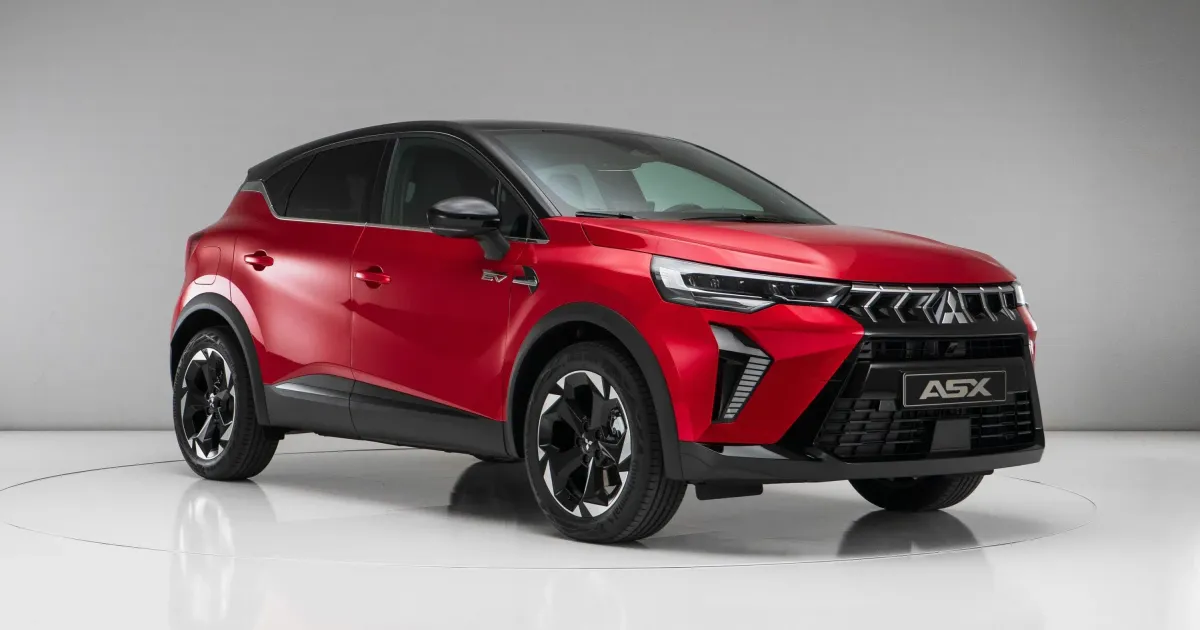
Mitsubishi ASX electric SUV — image used for visual reference.
According to Mitsubishi Motors, the new ASX VR-e will be supplied on an OEM basis by Foxtron Vehicle Technologies, a subsidiary of Hon Hai Precision Industry, better known as Foxconn.
This makes the ASX VR-e particularly interesting because Mitsubishi is combining its own brand identity, engineering and vehicle tuning with an electric vehicle platform developed through an external technology partnership.
A Major Electric Move for Mitsubishi
The ASX VR-e is not simply another update to Mitsubishi's existing SUV range. It represents a significant shift toward battery-electric mobility.
Mitsubishi has confirmed that the new model will be introduced into the small SUV segment in Australia and New Zealand, markets where demand for battery-electric vehicles continues to grow, particularly in urban areas.
The company is positioning the ASX VR-e around three major characteristics: advanced technology, driving performance and distinctive styling.
That combination could become important as Mitsubishi attempts to differentiate itself from the rapidly growing number of electric SUVs entering the market.
The ASX Name Returns With a Completely Different Mission
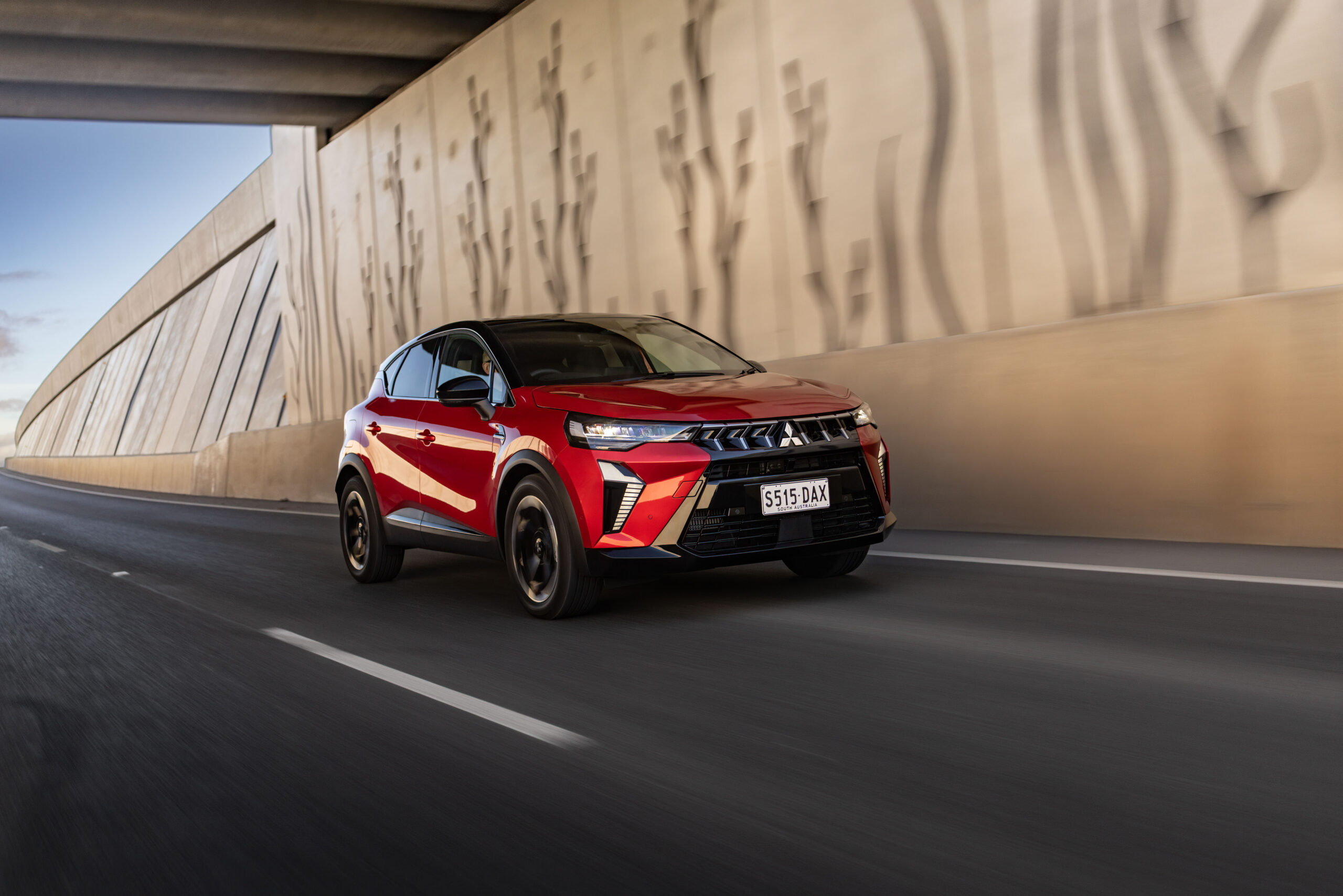
Mitsubishi ASX design reference.
The ASX name has a long history in Australia and New Zealand. However, the new VR-e gives the nameplate a completely different role.
Mitsubishi says the ASX name continues the heritage of its compact SUV, while the VR-e designation has a deeper connection with the company's performance history.
The VR reference is inspired by the legendary Galant VR-4, while the letter "e" represents the vehicle's electrified technology.
The result is a name intended to connect Mitsubishi's performance heritage with its electric future.
Mitsubishi Focuses on Driving Performance
One of the most interesting aspects of the ASX VR-e is Mitsubishi's emphasis on driving dynamics.
The company says its engineers extensively tested the vehicle on local roads and developed dedicated suspension tuning to improve responsiveness and road-holding performance.
This is important because Mitsubishi does not want the ASX VR-e to be seen only as an efficient electric commuter.
The company is also attempting to give the vehicle a more engaging driving character, consistent with the VR name.
The emphasis on suspension tuning and handling suggests Mitsubishi is trying to differentiate the ASX VR-e through driving character rather than relying solely on electric range or technology.
Aerodynamics Become a Major Part of the Design

Mitsubishi ASX exterior design reference.
Mitsubishi has also placed significant emphasis on aerodynamic efficiency.
The ASX VR-e features an aerodynamic system that includes a distinctive S-duct. The system channels air from the center of the front bumper over the hood surface.
The vehicle also uses active grille shutters designed to adjust according to driving conditions and help reduce aerodynamic drag.
These technologies are particularly important for electric vehicles because reducing aerodynamic resistance can contribute to improved efficiency and driving range.
A New Design Identity
The exterior design of the ASX VR-e features horizontal design elements throughout the vehicle.
Mitsubishi has incorporated these motifs into the front and rear lighting signatures, C-pillars and dedicated wheel design.
The result is intended to create a more cohesive visual identity while giving the electric SUV a distinctive appearance.
The design also reflects the growing importance of aerodynamics in modern electric vehicles, where exterior styling is increasingly influenced by efficiency requirements.
Foxtron Partnership Could Be the Biggest Story
Perhaps the most significant part of the ASX VR-e story is hidden beneath its Mitsubishi branding.
The vehicle is being supplied by Foxtron Vehicle Technologies, a Foxconn Group company focused on electric vehicle technology.
This partnership demonstrates how the automotive industry is changing.
Traditional manufacturers no longer need to develop every component of an electric vehicle entirely on their own. Instead, automakers can work with specialized technology companies to accelerate EV development and bring new products to market faster.
For Mitsubishi, this strategy could provide a faster route into the electric SUV market while allowing the company to concentrate on brand identity, vehicle tuning and customer experience.
What About Battery, Range and Power?
This is where potential buyers should be careful.
Mitsubishi has not yet released the complete final Australian and New Zealand specifications for the ASX VR-e.
That means battery capacity, official driving range, charging performance, final motor output and pricing should not be treated as confirmed specifications until Mitsubishi announces them for the respective markets.
Some specifications associated with related Foxtron products have appeared in automotive reports, but those figures should not automatically be presented as official ASX VR-e specifications.
VibCar will continue to distinguish between confirmed Mitsubishi specifications and figures that remain unconfirmed.
Expected Model Range
The ASX VR-e is expected to be offered across multiple grades in Australia, giving Mitsubishi an opportunity to target different customer groups.
Reports indicate a range that includes LS, Aspire, Exceed and GSR variants, although complete market-specific specifications and pricing remain subject to official confirmation.
| Category | Mitsubishi ASX VR-e |
|---|---|
| Vehicle type | Battery Electric SUV |
| Segment | Compact / Small Electric SUV |
| Launch markets | Australia and New Zealand |
| Launch timing | 2026 |
| EV technology partner | Foxtron Vehicle Technologies |
| Production relationship | OEM supply |
| Variants reported | LS, Aspire, Exceed and GSR |
| Suspension | Locally tuned for Australian roads |
| Official battery capacity | Not yet announced |
| Official range | Not yet announced |
| Official pricing | Not yet announced |
Who Will the ASX VR-e Compete Against?
The new Mitsubishi will enter a crowded electric compact SUV market.
Potential competitors include models from BYD, Kia, Hyundai, Geely, Chery and other manufacturers expanding their electric portfolios.
This competition means Mitsubishi cannot rely solely on its reputation.
The ASX VR-e will need to deliver a convincing combination of price, efficiency, technology, comfort and driving performance.
Why the 2026 Launch Matters
The timing of the ASX VR-e is particularly important.
Electric vehicle buyers now have more choices than ever before, and manufacturers are being forced to move quickly as battery technology, charging infrastructure and software continue to evolve.
Mitsubishi's decision to launch a dedicated BEV in Australia and New Zealand therefore represents a broader strategic move.
The company is attempting to establish a stronger position in electric mobility while continuing to develop its hybrid and plug-in hybrid technologies.
The Bigger Mitsubishi Electrification Strategy
The ASX VR-e is only one part of Mitsubishi's broader electrification strategy.
The company continues to develop and offer hybrid and plug-in hybrid technology while working with partners to expand its battery-electric lineup.
This approach gives Mitsubishi flexibility at a time when different markets are moving toward electrification at different speeds.
Rather than relying exclusively on battery-electric vehicles, Mitsubishi is combining BEVs with HEVs and PHEVs as it develops its future product portfolio.
What Makes the ASX VR-e Different?
Several characteristics make the new Mitsubishi particularly interesting.
- It is a new battery-electric model for Mitsubishi's Australian and New Zealand strategy.
- It combines Mitsubishi engineering and design with Foxtron EV technology.
- Its suspension has been specifically tuned for local road conditions.
- Aerodynamic efficiency is a major part of the exterior design.
- The VR-e name connects the vehicle with Mitsubishi's performance heritage.
- The SUV format gives it access to one of the most popular segments in the market.
VibCar Verdict
The Mitsubishi ASX VR-e could become one of the most important new Mitsubishi models of 2026.
Its significance is not simply related to the fact that it is electric. The bigger story is how Mitsubishi is approaching the EV market.
The company is combining its own engineering expertise and brand identity with Foxtron's electric vehicle technology, while also adapting the vehicle to the requirements of local markets.
The decision to focus on suspension tuning and aerodynamic efficiency suggests Mitsubishi wants the ASX VR-e to deliver more than low running costs.
It wants the vehicle to feel like a Mitsubishi.
That could ultimately become the biggest challenge and the biggest opportunity for the ASX VR-e.
Final Thoughts
The electric SUV market is entering a new phase, and Mitsubishi is no longer watching from the sidelines.
The ASX VR-e brings together electric technology, aerodynamic engineering, local chassis tuning and Mitsubishi's performance heritage in a package designed for Australia and New Zealand.
However, the most important details remain to be revealed.
Final pricing, battery specifications, official driving range and charging performance will determine whether the ASX VR-e can become a serious competitor in the electric compact SUV segment.
For now, one thing is clear: Mitsubishi is making a serious return to the battery-electric market, and the ASX VR-e could be the beginning of a much bigger electric offensive.
Read more electric vehicle news: VibCar EVs
%20(1).png)


.png)
0 Comments