

12 Smart Tips to Extend Your Electric Car Battery Life
Buying an electric car is a major investment, and the battery is one of its most important components. Good charging and driving habits can help owners maintain battery performance and get the most out of their vehicle over the years.
Modern electric vehicles are equipped with sophisticated battery-management and thermal-control systems. However, drivers can still take simple steps to reduce unnecessary battery stress and keep their cars in good condition.
1. Follow the Manufacturer's Charging Recommendations
Every electric vehicle is different. Battery chemistry, software and thermal-management systems vary between manufacturers and models.
Always check the owner's manual for the recommended daily charging limit, storage level and charging procedures.
2. Avoid Keeping the Battery at 100% for Long Periods

Charging to 100% is not something EV owners need to fear. A full charge can be useful before a long journey.
However, if you do not need the extra range, avoid leaving the vehicle sitting at a very high state of charge for extended periods. If your manufacturer recommends a daily charging limit, consider using the vehicle's charging settings to follow it.
3. Do Not Regularly Drive Until the Battery Is Almost Empty
You do not have to wait until the battery is nearly empty before charging your EV. Partial charging is normal and convenient for modern electric vehicles.
If you know you will need more range tomorrow, simply charge the vehicle when it is convenient rather than deliberately driving until the battery is extremely low.
4. Use Fast Charging When You Need It

DC fast charging is extremely useful for road trips and situations where you need to add range quickly.
For everyday charging, however, home or workplace AC charging may be more convenient when available.
Fast charging generates more heat and charging power normally decreases as the battery gets closer to a high state of charge. Your vehicle manages these conditions automatically, but using fast charging mainly when needed can be a sensible everyday strategy.
5. Protect Your EV From Extreme Heat

High temperatures can place additional stress on lithium-ion batteries. Modern EVs have thermal-management systems, but drivers can still help by reducing unnecessary exposure to extreme heat.
- Park in a garage or shaded area when possible.
- Avoid leaving the vehicle in direct sunlight for long periods when alternatives are available.
- Use the vehicle's thermal-management features.
- Follow the manufacturer's recommendations during very hot weather.
6. Precondition the Battery in Cold Weather
Cold weather can temporarily reduce driving range and charging performance. Some EVs provide battery preconditioning to bring the battery toward an appropriate temperature before driving or fast charging.
If your vehicle supports this feature, use it according to the manufacturer's instructions, especially before DC fast charging in very cold weather.
7. Take Care of Your Tires

Tires have a direct effect on an electric vehicle's efficiency, comfort and safety.
Check tire pressure regularly and keep it within the range recommended by the vehicle manufacturer. Underinflated tires can increase rolling resistance and reduce efficiency.
8. Drive Smoothly
Electric motors deliver instant torque, which makes EVs extremely responsive. However, aggressive acceleration and high-speed driving can significantly increase energy consumption.
Smooth acceleration, sensible speeds and anticipating traffic can help improve efficiency and increase the distance you can travel on a charge.
9. Use Regenerative Braking Correctly
Regenerative braking allows the electric motor to recover some kinetic energy when the vehicle slows down.
Use the regenerative-braking modes provided by your vehicle as intended. However, remember that regeneration cannot recover all of the energy used to accelerate the car.
10. Avoid Excessive Weight When You Do Not Need It
Carrying unnecessary heavy items increases the energy required to move the vehicle.
Remove unnecessary equipment, luggage and heavy objects from the vehicle when they are not needed.
This can improve efficiency, particularly during frequent urban driving.
11. Keep Your EV Software Updated
Modern electric cars are highly software-dependent. Manufacturers can release software updates that improve energy management, charging behavior, thermal control, navigation and other vehicle functions.
Install official updates according to the manufacturer's instructions and do not ignore important vehicle warnings.
12. Maintain the Whole Vehicle, Not Just the Battery
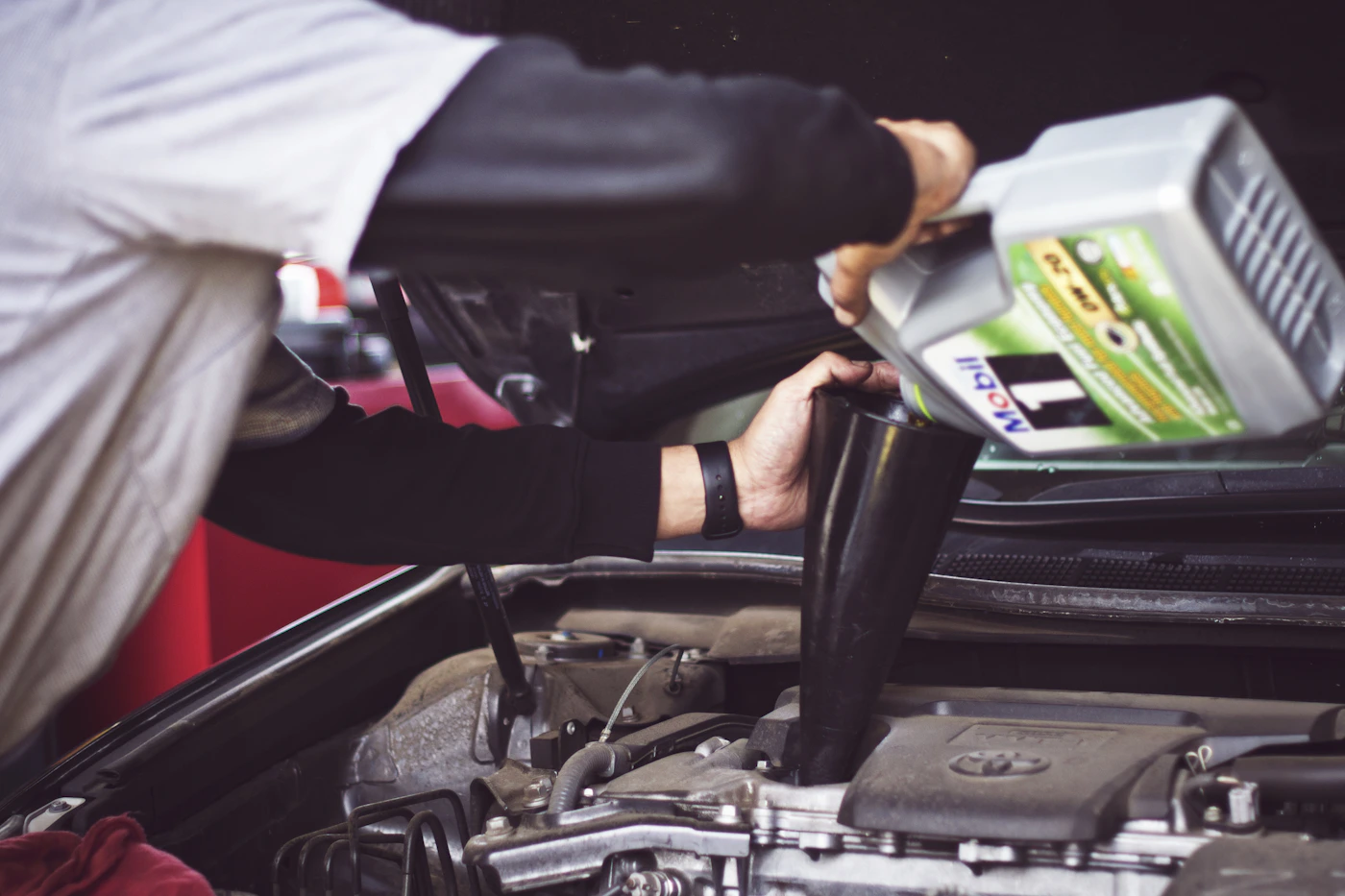
Taking care of an EV means more than looking after its battery. Regular vehicle maintenance helps keep the entire car safe, efficient and reliable.
- Check tire pressure and condition.
- Inspect brakes and brake components.
- Replace cabin filters when required.
- Check windshield washer fluid.
- Follow the recommended service schedule.
- Pay attention to warning messages.
- Have unusual charging problems inspected promptly.
How to Store an Electric Car for a Long Time
If you plan to leave your EV unused for an extended period, check the owner's manual for the recommended storage procedure.
Avoid simply parking the vehicle for weeks with an extremely low or extremely high battery level. Use the manufacturer's recommended storage state of charge and keep the vehicle in a suitable environment when possible.
Simple EV Battery Care Routine
- Charge according to the manufacturer's recommended limits.
- Use AC charging for routine charging when practical.
- Use DC fast charging when you need rapid charging.
- Avoid unnecessary long periods at 100% charge.
- Do not leave the battery extremely low for long periods.
- Protect the car from extreme temperatures when possible.
- Keep tires properly inflated.
- Drive smoothly and efficiently.
- Keep the vehicle software updated.
- Follow the official maintenance schedule.
Does Good Charging Really Help Battery Life?
Yes, charging habits are one factor that can influence battery aging, although battery life depends on many variables including chemistry, temperature, mileage, charging behavior and the vehicle's battery-management system.
Modern EV batteries are engineered for long-term use, and owners should not become overly concerned about occasional fast charging or charging to 100% when necessary.
The goal is simply to avoid unnecessary stress and follow the manufacturer's recommended procedures.
More Electric Car Tips & News
Discover electric car news, EV reviews, maintenance guides and the latest automotive technology on VibCar.
Visit VibCarFinal Thoughts
Taking care of an electric vehicle does not require complicated procedures. A few simple habits can make ownership easier and help maintain the vehicle's battery and overall condition.
Charge intelligently, protect the vehicle from extreme temperatures, keep the tires and other components properly maintained, and always follow the recommendations provided by your car manufacturer.
With proper care, your electric car can remain efficient, reliable and enjoyable to drive for many years.
%20(1).png)


.png)
0 Comments