
1934 Studebaker President: An American Classic
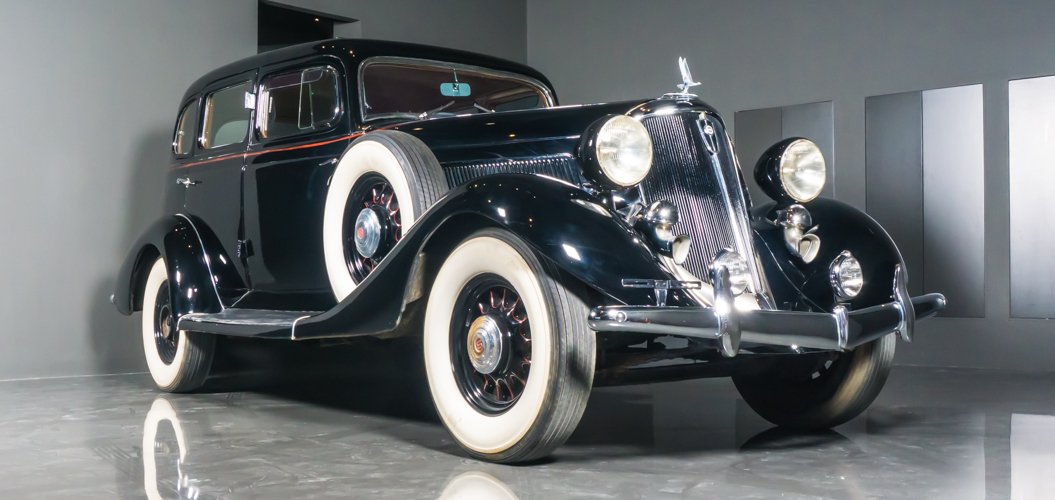
1934 Studebaker President — Image: Nostalgia Classic Cars
The 1934 Studebaker President is a striking example of American automotive design from the 1930s, combining imposing proportions, distinctive styling and the engineering character of a period when automakers were experimenting with new ideas.
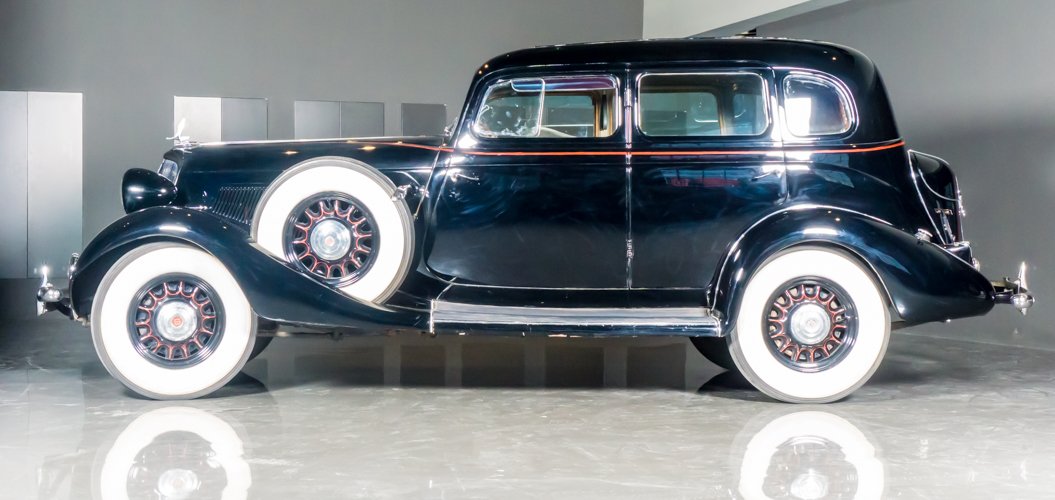
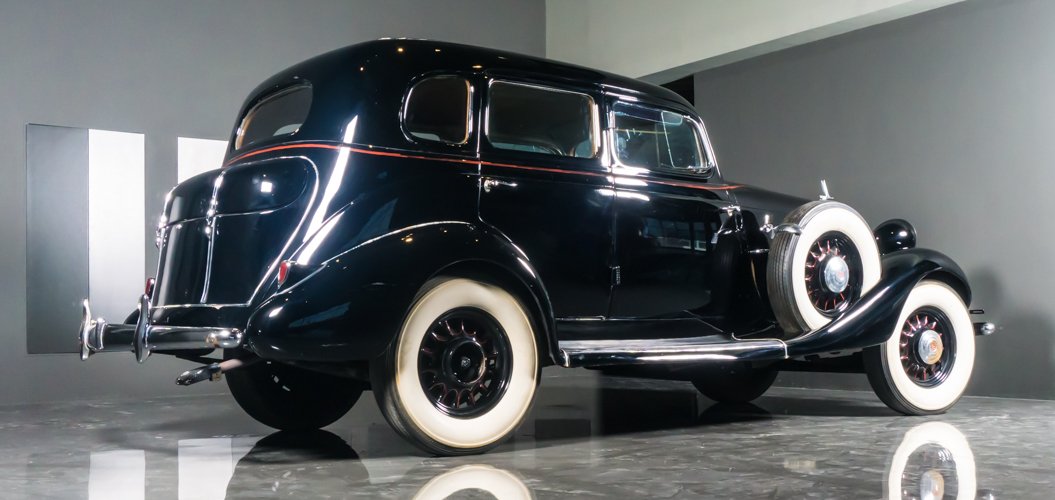
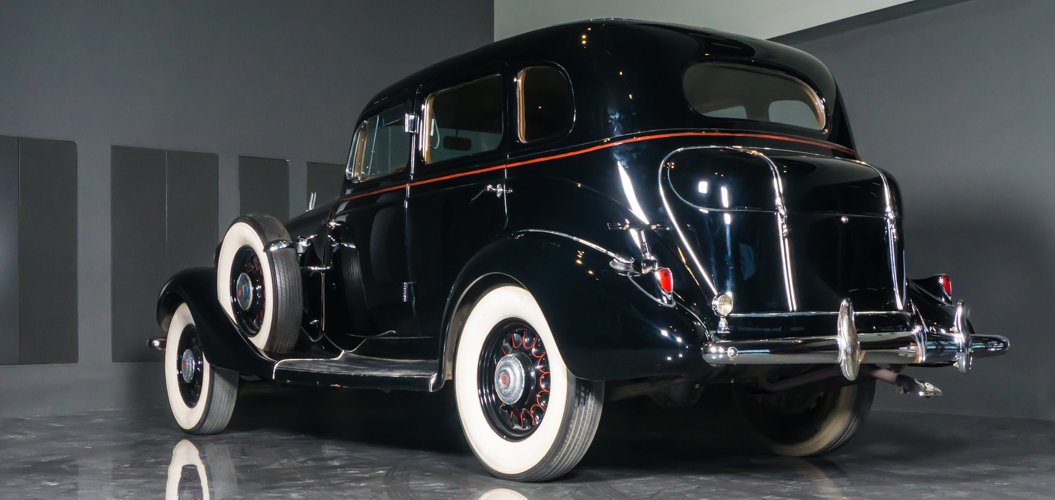
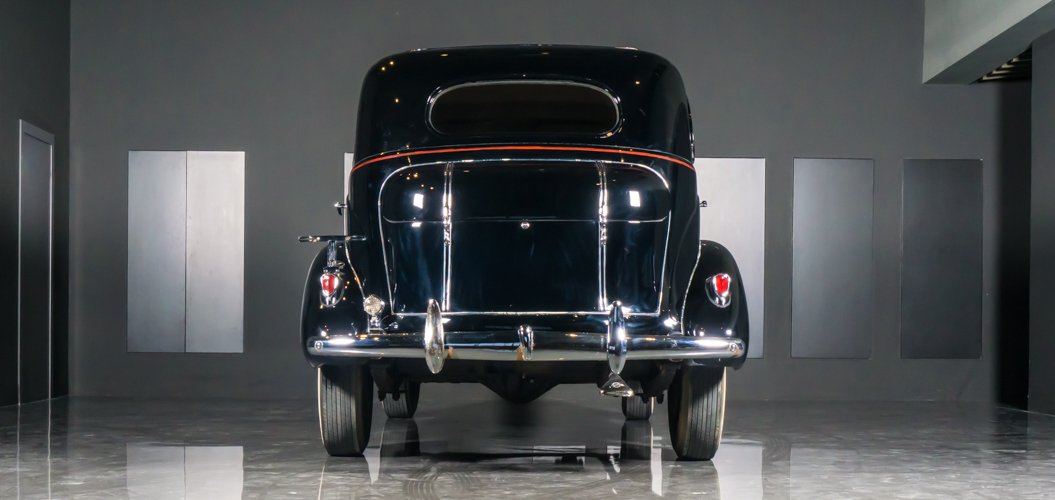
With its bold bodywork, horizontal hood vents, integrated spare-wheel treatment and elegant rear bumper design, the President captures the dramatic personality of pre-war American automobiles. This particular example is also notable for its four-speed manual transmission and its remarkable history of being stored in a carriage house for approximately 36 years.
A Studebaker From an Important Era
The Studebaker President name was introduced by Studebaker, the historic American manufacturer based in South Bend, Indiana. The President became one of the company's important full-size models and remained part of the Studebaker range through the pre-war years.
The early 1930s were a challenging period for many American automakers. Studebaker responded with increasingly distinctive designs, including the innovative Land Cruiser, which helped attract attention to the company's products.
The 1934 model year represented another important step in that design evolution, with Studebaker adopting a more dramatic appearance that reflected the rapidly changing styling trends of the era.
Bold 1930s Styling
One of the most fascinating aspects of the 1934 Studebaker President is its design. The car belongs to an era when automobiles were becoming more streamlined and visually expressive.
The body features a long hood, a substantial passenger compartment and carefully integrated exterior details. Horizontal ventilation openings positioned along the sides of the hood add both visual character and functional purpose.
Another notable feature is the treatment of the spare tires, which are integrated into the overall body design rather than simply appearing as an afterthought. The rear bumper also follows the contours of the body, giving the car a distinctive appearance from almost every angle.
Influence of the Silver Arrow
The styling direction of Studebaker's 1934 cars was influenced by the dramatic design language that emerged in the early 1930s. The Pierce-Arrow Silver Arrow, introduced in 1933, was one of the era's most influential American design statements.
Studebaker's Land Cruiser represented a similarly forward-looking approach, and the company's design ideas were applied across several model series, including the Dictator, Commander and President.
Four-Speed Manual Transmission
This particular 1934 Studebaker President is equipped with a four-speed manual transmission. A manual gearbox adds another layer of character to a car from this period and makes the driving experience considerably more mechanical and engaging than that of a modern automobile.
For collectors, details such as the transmission configuration can add to the appeal of a surviving classic, particularly when combined with an unusual body design and a well-documented history.
A Remarkable Preservation Story
Perhaps one of the most interesting details about this car is its storage history. According to the supplied listing information, the Studebaker President was kept in a carriage house for approximately 36 years.
Long-term storage can play an important role in the survival of rare automobiles. A car that avoids decades of continuous exposure to weather and road conditions can potentially retain more of its original character, although its exact condition ultimately depends on how it was stored and maintained.
Why the 1934 President Matters
The Studebaker President represents more than just an old American automobile. It is a snapshot of a crucial period in automotive history when manufacturers were developing new approaches to body design, packaging and visual identity.
Its imposing proportions and unusual details make it particularly interesting to enthusiasts of pre-war American cars. Unlike many later classics, automobiles from the 1930s have a visual presence that immediately identifies them with their era.
1934 Studebaker President Specifications
| Model | Studebaker President |
|---|---|
| Model Year | 1934 |
| Manufacturer | Studebaker |
| Country | United States |
| Transmission | 4-speed manual |
| Design Era | 1930s / Pre-war American classic |
| Notable Features | Horizontal hood vents, integrated spare-wheel design, distinctive rear bumper |
| Storage History | Approximately 36 years in a carriage house |
1934 Studebaker President Photo Gallery
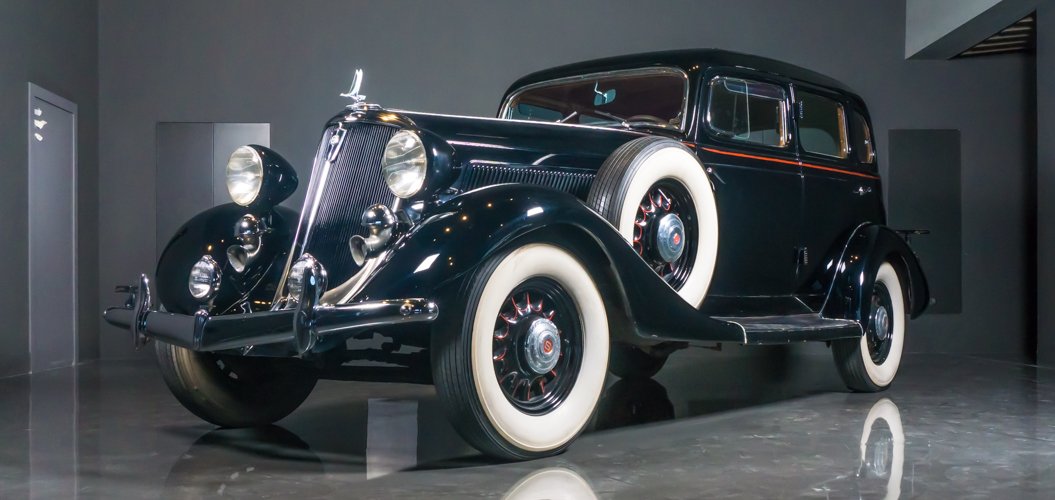
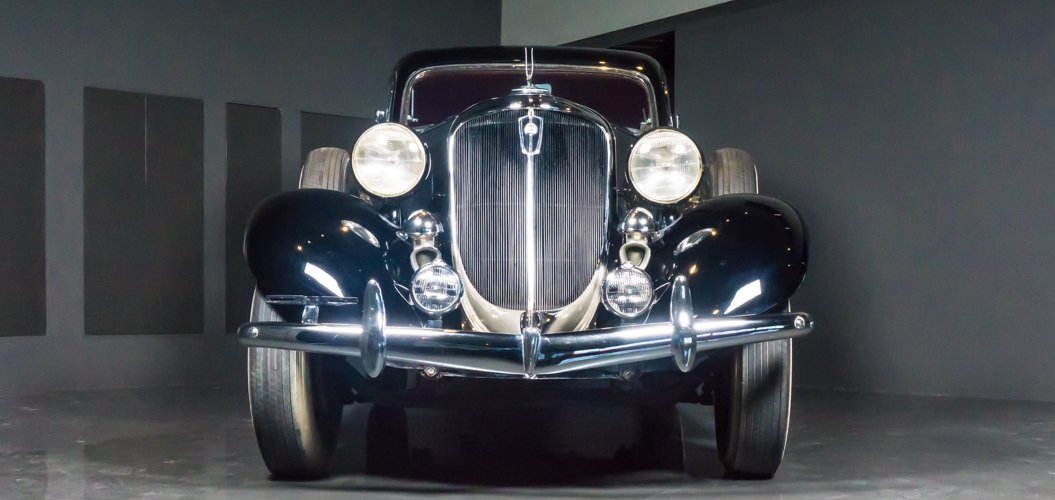
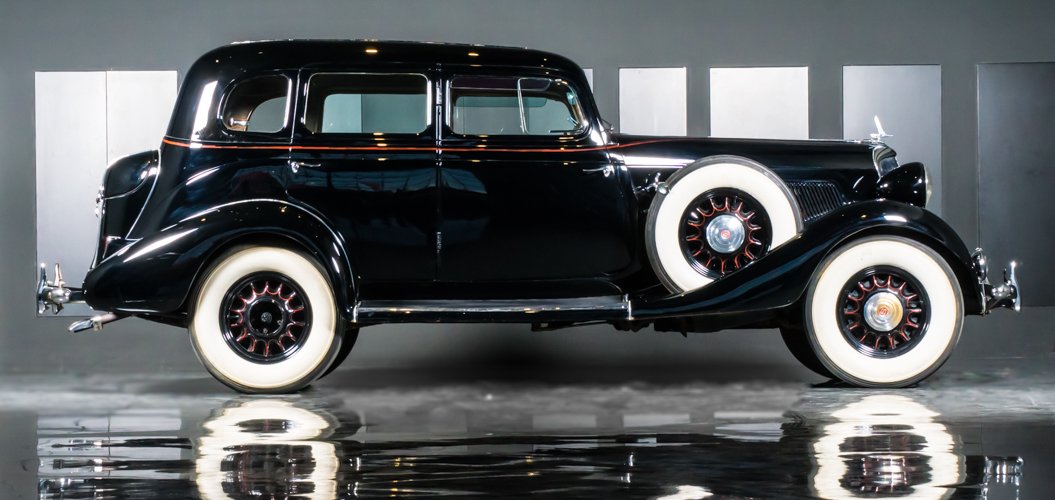
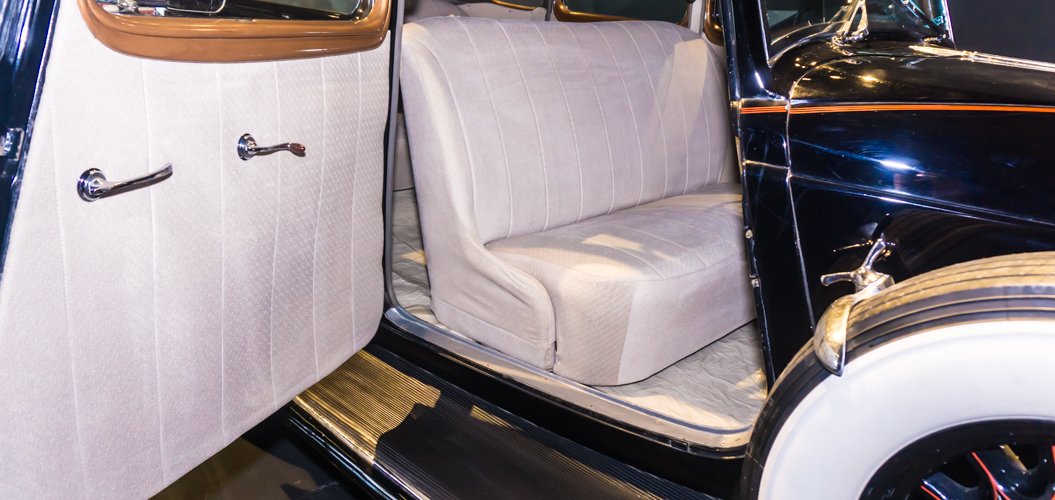
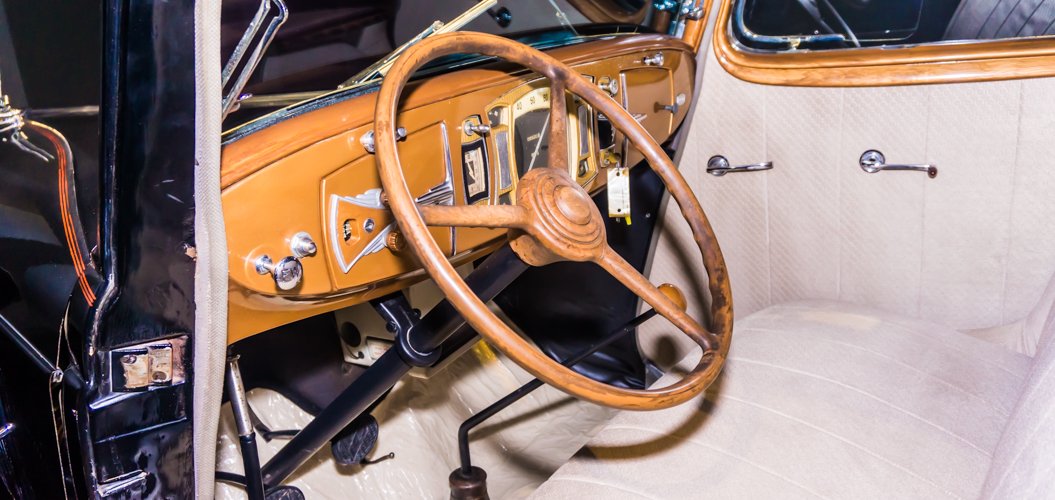
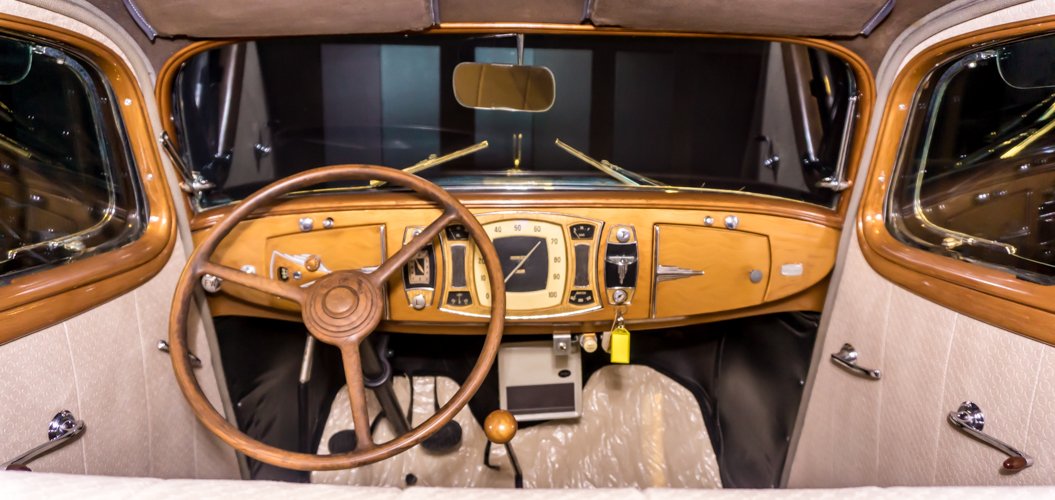

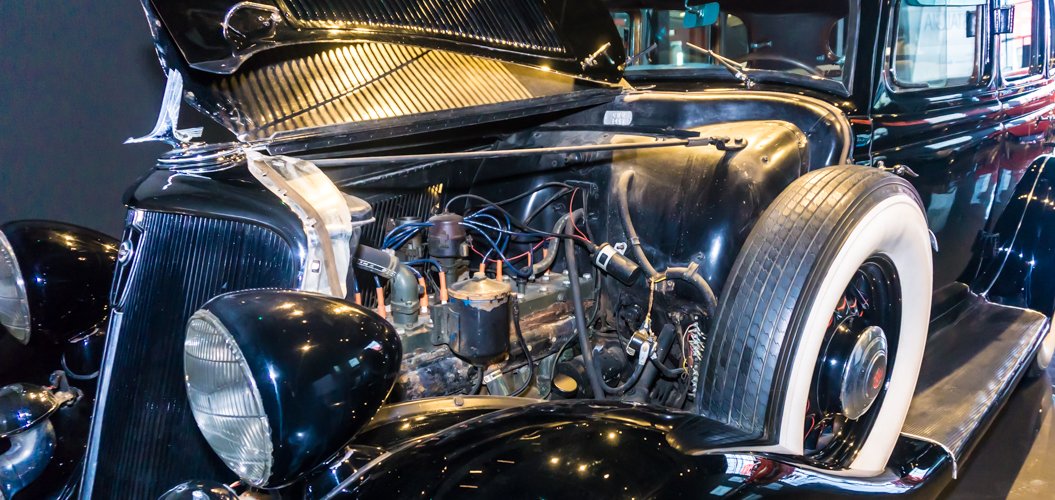
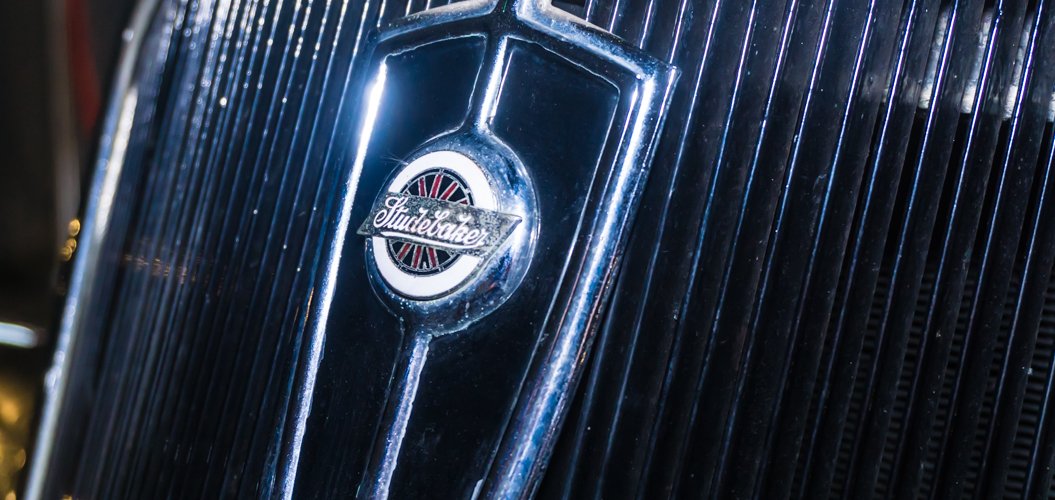
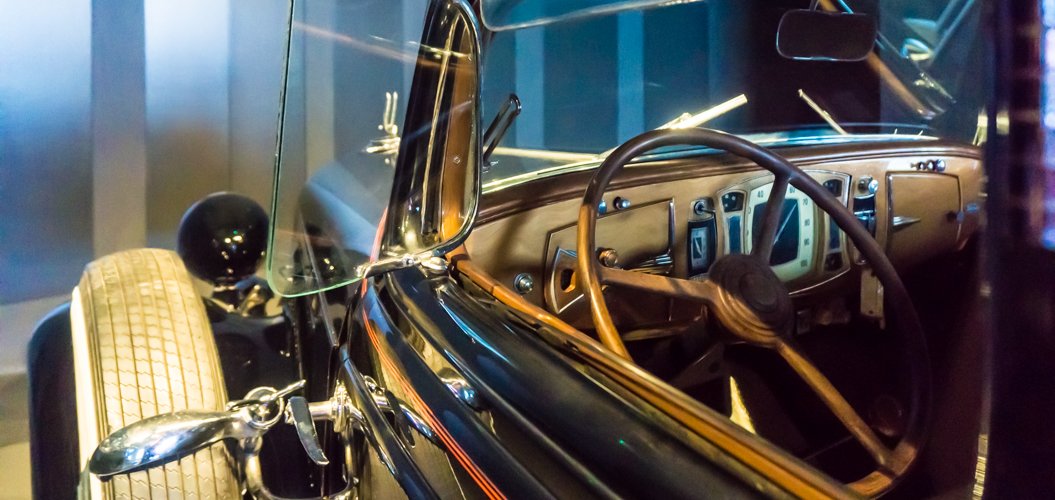
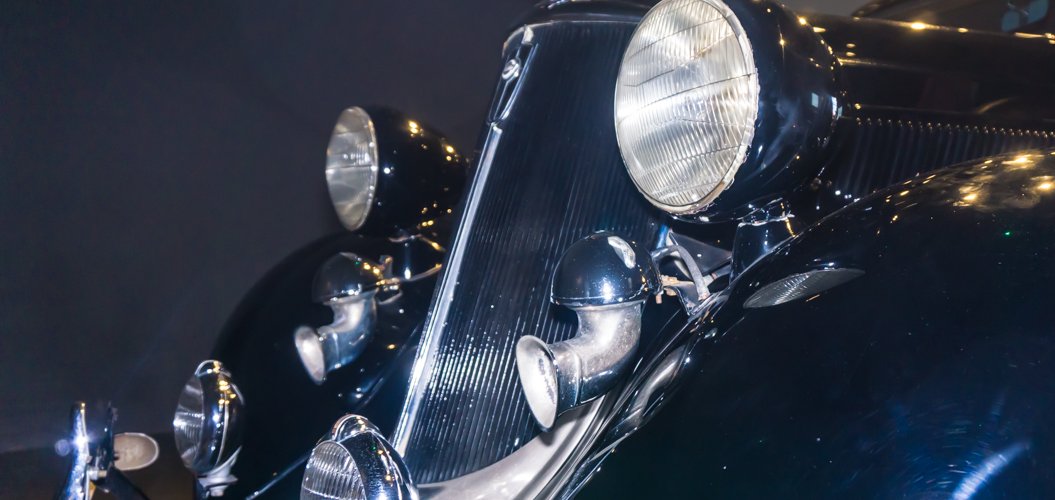
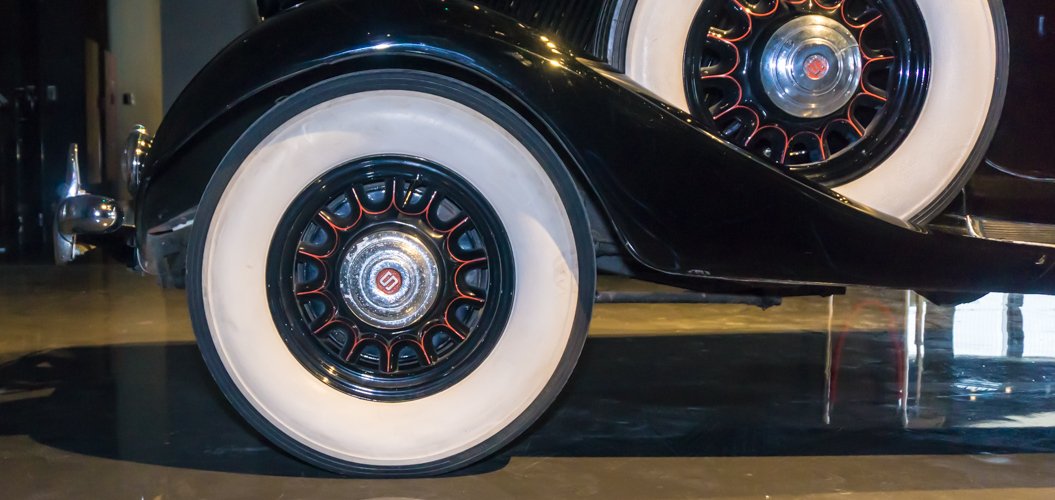
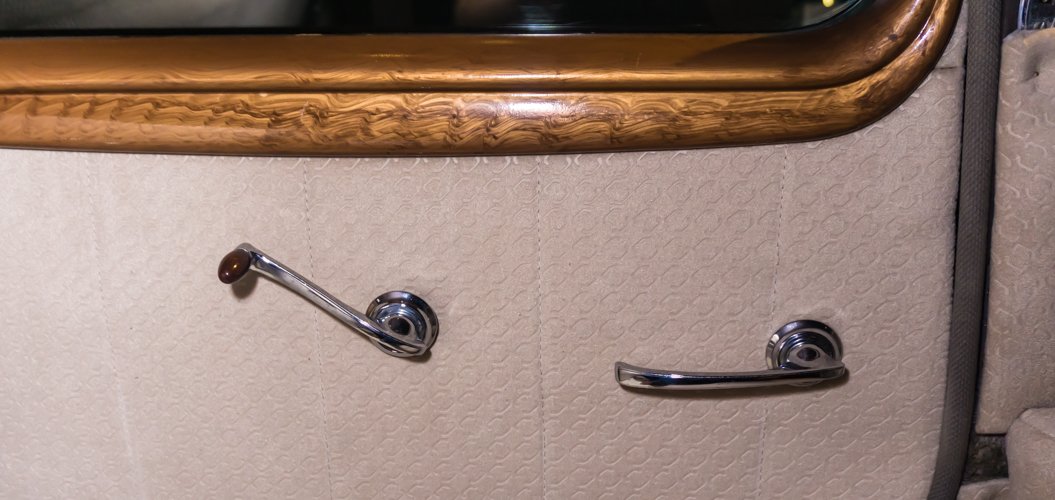
Images: Nostalgia Classic Cars
Frequently Asked Questions
What is the 1934 Studebaker President?
The 1934 Studebaker President was a large American automobile from Studebaker's prestigious President line, representing the company's distinctive pre-war design philosophy.
What transmission does this car have?
The particular example featured in this report is equipped with a four-speed manual transmission.
What makes the 1934 Studebaker President special?
Its combination of dramatic 1930s styling, Studebaker heritage, distinctive exterior details and long-term storage history makes it an interesting collectible for enthusiasts of pre-war American automobiles.
Where was Studebaker based?
Studebaker was based in South Bend, Indiana, in the United States, and became one of America's notable automobile manufacturers.
Is the 1934 Studebaker President rare?
Surviving pre-war Studebaker Presidents are uncommon today, particularly well-preserved examples with distinctive original features and documented histories.
VibCar Verdict
The 1934 Studebaker President is a fascinating reminder of the creativity that defined American automotive design before World War II. Its imposing proportions, distinctive hood vents, integrated spare-wheel treatment and elegant rear-end styling give it a presence that modern cars simply cannot reproduce.
For collectors and classic-car enthusiasts, this Studebaker offers an opportunity to experience an important chapter in the history of American automobiles — a time when manufacturers were competing not only through engineering, but also through bold and unforgettable design.
%20(1).png)


.png)

0 Comments